 Save
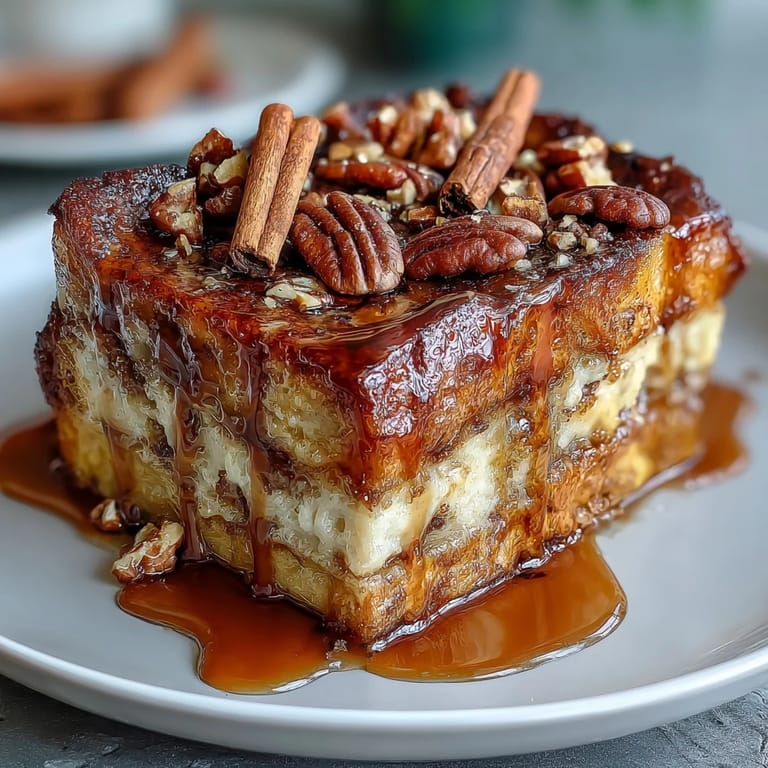
Save The first time I encountered capirotada, the kitchen was alive with cinnamon steam and spirited chatter. This was not a recipe handed down through generations, but one I assembled after a neighbor recounted how her mother always layered the bread just so. One rainy afternoon, I found myself curious if dessert could be both sweet comfort and a small adventure—so I scavenged the pantry for piloncillo, clove, and whatever cheese was lingering in the fridge. The bubbling syrup filled the house with a sharp, spicy warmth I hadn&apost expected. The satisfaction of pressing down the bread, letting syrup soak in, felt oddly like pressing worries out from a long week.
I once baked this dish for a friend visiting during Lent, and we ended up making it together, laughing about how cheese in dessert should be illegal—until we had our first bite. The aroma teased us every time we opened the oven, but it wasn&apost until we sliced into the warm pudding that the whole table grew silent, savoring the gooey center and crisped edges. That afternoon, capirotada managed to bridge the gap between tradition and easy-going improvisation. It became a backdrop for stories and second helpings, a little unexpected joy amid routine.
Ingredients
- Bread: Day-old bolillo, French bread, or baguette gives the pudding structure, and slicing it thick means it won&apost get mushy—always toast it to deepen the flavor.
- Piloncillo: This rustic Mexican sugar brings earthy sweetness; chop it finely so it melts quicker, or swap for dark brown sugar in a pinch.
- Cinnamon sticks: Whole sticks release a gentle perfume during simmering; never use powdered cinnamon for the syrup, as the flavor changes.
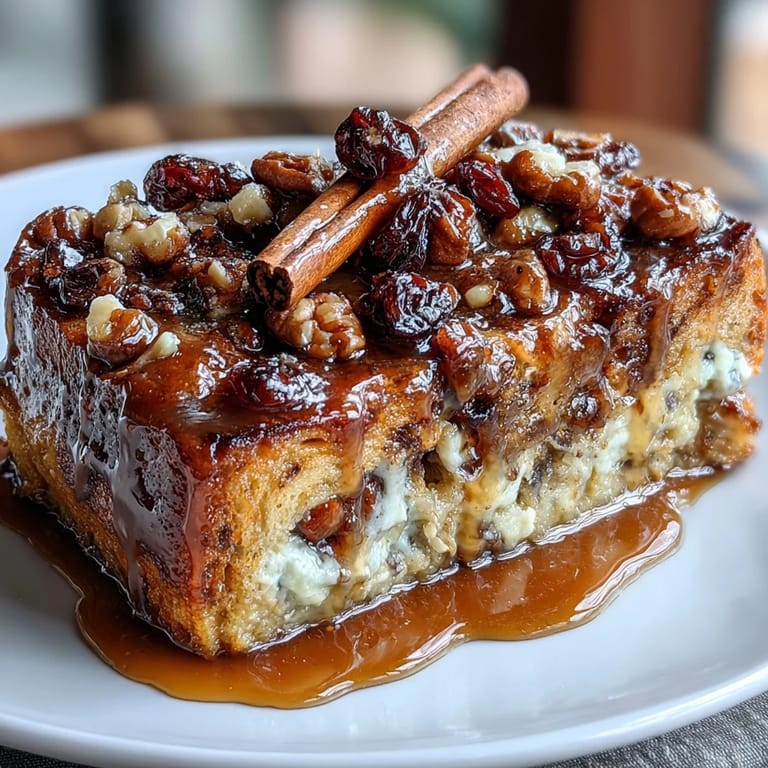
- Raisins: Plump raisins add little pockets of tangy sweetness—soaking them in hot water for 5 minutes prevents them from drying out.
- Mild cheese: Queso fresco, Monterey Jack, or mozzarella, shredded, melt softly into the pudding; use more for extra creaminess, less for subtlety.
- Pecans or peanuts (optional): Nuts provide crunch, but chop them small for even layering and avoid raw nuts for better texture.
- Butter: Just a little for greasing makes sure nothing sticks and adds richness to each bite.
Tired of Takeout? 🥡
Get 10 meals you can make faster than delivery arrives. Seriously.
One email. No spam. Unsubscribe anytime.
Instructions
- Prep the Oven and Dish:
- Turn the oven to 350°F and lightly butter your baking dish, so every bit of pudding releases with ease.
- Toast the Bread:
- Lay the bread slices out on a baking sheet, flipping them halfway through the 10-12 minute toast—you want them dry and just golden, not burnt.
- Simmer the Syrup:
- Combine piloncillo, water, cinnamon and cloves in a saucepan; let it simmer gently, stirring so the sugar dissolves and thickens, then swirl in butter and fish out the spices.
- Layer the Ingredients:
- Arrange half the toasted bread in the dish, scatter with raisins, cheese, nuts, and drizzle syrup, then repeat for a second, even richer layer. Press it down gently so the flavors mingle.
- Bake and Melt:
- Cover with foil and bake for 20 minutes; remove foil and bake another 10 minutes until the cheese bubbles and the top turns golden brown.
- Cool and Serve:
- Let the capirotada rest for 10 minutes before serving—so you don&apost burn your tongue and the flavors settle beautifully.
 Save
Save There was a moment, midweek, where making capirotada felt like more than baking—it was a small gesture of care, letting the sweet aromas comfort anyone passing through the kitchen. Watching friends pause their conversations as they spooned warm slices onto plates, I realized this dish made things cozier than any throw blanket ever could. It's the kind of dessert that invites people to linger around the table, sharing a little more than just food.
Choosing Your Bread Makes All the Difference
Day-old bread gets sturdier overnight, and after several batches, I learned that stale French bread holds syrup best without falling apart. If the bread is too fresh, it turns soggy—so always let it dry out, or even leave it on the counter for a few hours before toasting. Experimenting with different breads, I found baguette gives a nice chewy bite and bolillo tastes slightly rustic. The right bread really becomes the backbone of the dish.
Cheese and Nuts: How to Get That Perfect Layer
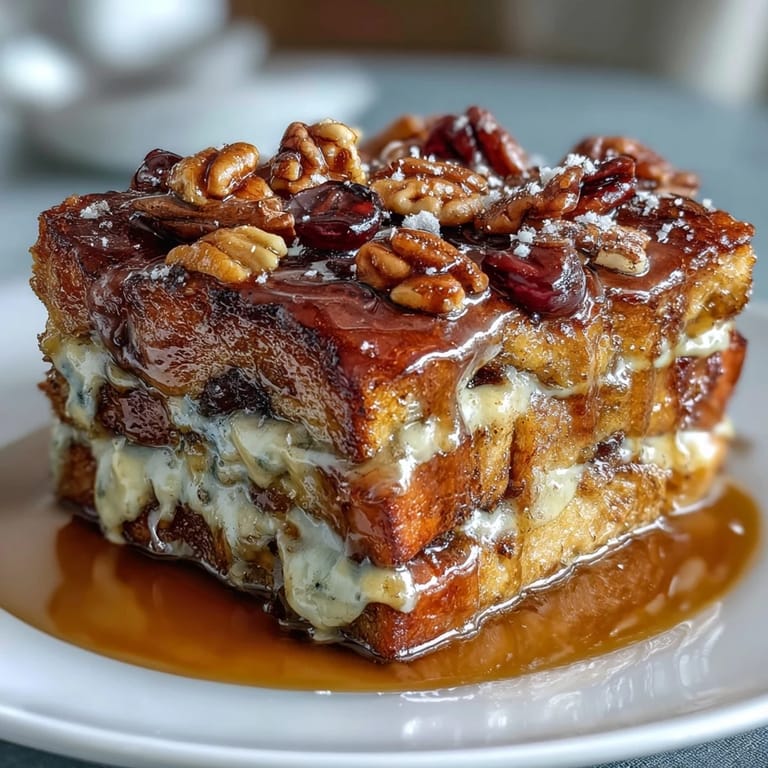
The trickiest part was figuring out how much cheese to use: too much and you lose the delicate sweetness, too little and you miss that creamy melt. I started layering cheese and nuts sparingly, and the results were always more balanced. If you like crunch, go for toasted pecans, and use cheese that melts smoothly—but skip crumbly varieties because they don&apost incorporate as nicely. Layering generously but not overcrowding keeps everything distinct.
Tiny Variations to Make It Your Own
One rainy evening, I tried adding a handful of dried cranberries and a splash of sweetened condensed milk to the syrup—it turned the flavor subtly tangy and extra rich. Swapping raisins for apricots or peanuts for pecans gives you entirely different notes in every bite, and it&aposs fun to mix-and-match based on what&aposs in your pantry. Get creative with the fillings, and don&apost be afraid to press the bread layers a bit firmer so every bite soaks up maximum syrup.
- Taste the syrup before layering so you can adjust sweetness.
- Chop any nuts finely for better texture and easier layering.
- Let the capirotada cool a bit before serving—it sets and slices more easily.
 Save
Save Capriotada is more than dessert—it&aposs an invitation to play with flavors, welcome friends to the kitchen, and turn simple bread into something a little magical. I hope your next batch brings sweet warmth to your table, just as mine often do.
Questions & Answers
- → What bread works best for capirotada?
Day-old bolillo, French bread, or baguette provide ideal texture and absorb the syrup without getting mushy.
- → Can I substitute piloncillo?
Packed dark brown sugar can replace piloncillo, offering similar sweetness and depth for the syrup.
- → What type of cheese is recommended?
Mild cheeses like queso fresco, Monterey Jack, or mozzarella melt well. Traditional options include Cotija or queso añejo.
- → How do I serve capirotada?
Allow it to cool for 10 minutes after baking. Enjoy warm or at room temperature for best flavor and texture.
- → Are there nut-free or gluten-free options?
Omit nuts for a nut-free version. Substitute gluten-free bread if needed to make the dish suitable for gluten-free diets.