 Save
Save My grandmother's cast-iron skillet has seen decades of cornbread, but the first time I made this version myself, I was standing in my tiny apartment kitchen at six in the morning, waiting for that skillet to heat up while the smell of butter began to drift through the room. There's something about the sizzle when you pour batter into a screaming hot pan that makes you feel like you've unlocked a secret, like you're finally doing something right in the kitchen. That golden crust that forms on the edges isn't luck—it's physics, and it's magic, and it's what keeps me coming back to this recipe again and again.
Last summer, I brought this to a neighborhood potluck on a whim, still warm in its skillet, and watched people go back for thirds before I'd even set down the honey butter. Someone asked for the recipe, then someone else did, and I realized this wasn't just food—it was the thing that made everyone linger at the table a little longer, talking and laughing instead of rushing off. That's when I knew this cornbread deserved to be treated with real intention.
Ingredients
- Yellow cornmeal: This is the foundation, giving you that distinct corn flavor and that signature texture that's almost sandy before baking but becomes impossibly tender in the oven.
- All-purpose flour: Balances the cornmeal so the crumb stays light and doesn't become too dense or crumbly.
- Granulated sugar: Just enough to enhance the corn's natural sweetness without making this dessert—it's subtle and necessary.
- Baking powder and baking soda: Together they create lift and ensure you get that perfect rise with a tender interior.
- Fine salt: Don't skip this; it brightens everything and makes the honey butter sing.
- Whole milk or buttermilk: Whole milk gives you richness, but if you have buttermilk, it adds a slight tang that makes people pause and ask what's different about your cornbread.
- Eggs: They bind everything together and contribute to that custardy interior texture.
- Melted butter and vegetable oil: This combination creates moisture that lasts through the next day—the oil keeps it tender while butter adds flavor.
- Unsalted butter for the skillet: This creates that golden, crispy bottom that defines great cornbread.
- Honey butter components: Softened butter, honey, and salt transform into something that tastes far more luxurious than the sum of its parts.
Tired of Takeout? 🥡
Get 10 meals you can make faster than delivery arrives. Seriously.
One email. No spam. Unsubscribe anytime.
Instructions
- Heat your skillet first:
- Get that 10-inch cast-iron into a 425°F oven right from the start—this is non-negotiable if you want that crispy, golden crust. While it heats, you're building your batter, and by the time you're ready to pour, the pan will be properly screaming hot.
- Combine your dry ingredients:
- Whisk the cornmeal, flour, sugar, baking powder, baking soda, and salt together in a large bowl. You're looking for everything evenly distributed, no lumps hiding in the corners.
- Whisk the wet ingredients:
- In a separate bowl, whisk milk, eggs, melted butter, and vegetable oil until they're completely combined and smooth. This is where the moisture and richness come from, so don't rush it.
- Bring it all together gently:
- Pour the wet ingredients into the dry and stir just until combined—and I mean just until. Overmixing develops gluten and makes your cornbread tough, which is the opposite of what you want. A few small lumps are actually your friends here.
- Butter the hot skillet:
- Carefully pull that skillet from the oven, add 2 tablespoons of butter, and immediately swirl it around to coat every surface, including the sides. The sizzle and the smell tell you everything is right.
- Pour and bake:
- Pour the batter into that buttered skillet, smooth the top gently with a spatula, and get it back in the oven. Twenty to 25 minutes later, the top will be golden and a toothpick will come out clean—trust this signal.
- Make your honey butter while waiting:
- In a small bowl, beat softened butter with honey and a pinch of salt until it's fluffy and smooth. It takes about two minutes and becomes this silky spread that's worth every second of the effort.
- Cool briefly, then serve:
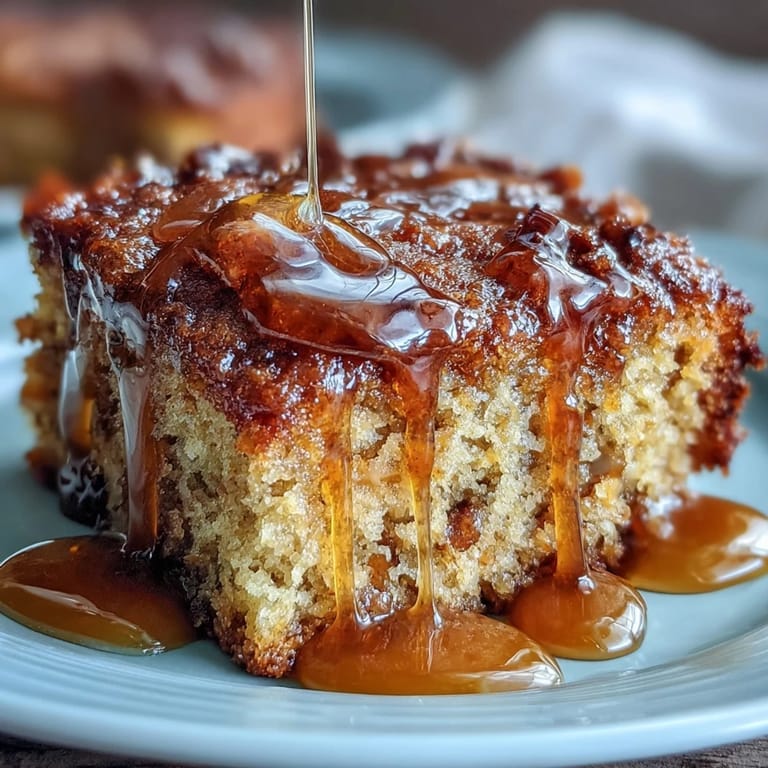
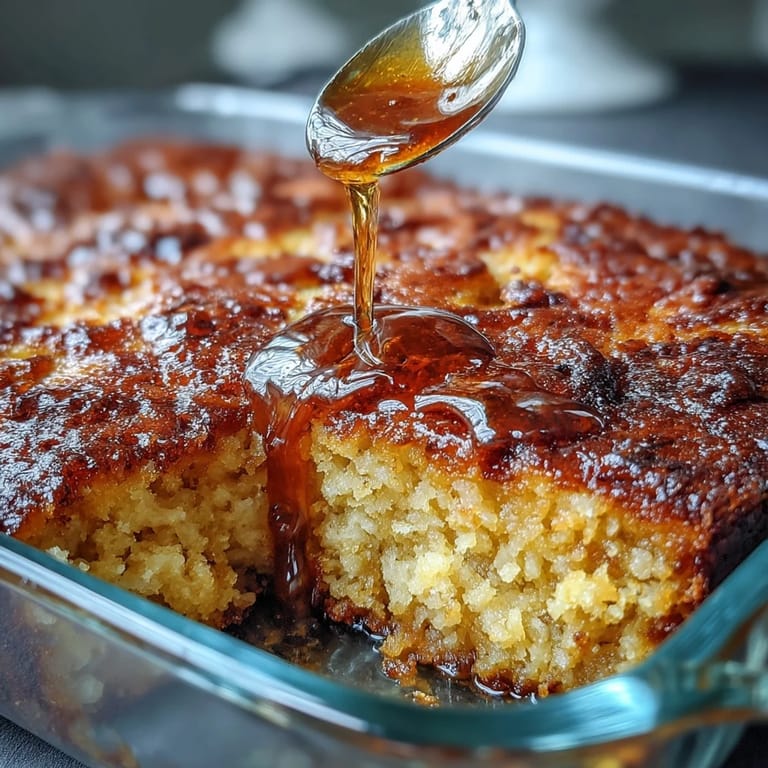
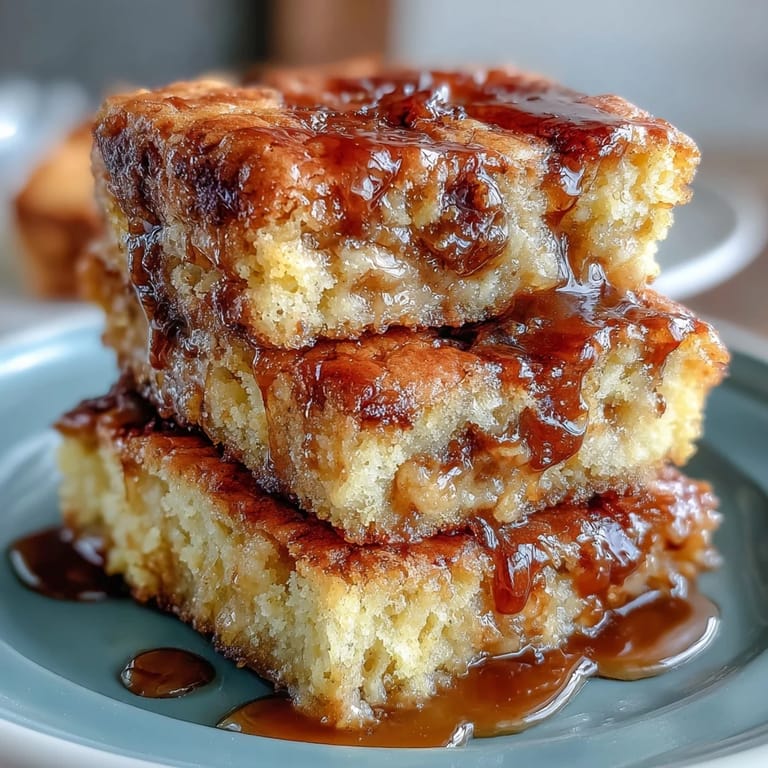
- Let the cornbread rest for 5 to 10 minutes so it sets enough to slice cleanly, but serve it while it's still warm so the honey butter melts right into every piece.
 Save
Save I once made this for someone going through a rough time, and they told me years later that it was the first meal that made them feel like things might actually be okay. Food isn't always about being fancy or complicated—sometimes it's just about showing up with warmth and butter and honey.
The Cast-Iron Skillet Moment
That initial sizzle when your batter hits the hot, buttered skillet is what separates this from regular cornbread made in a regular pan. The sound and smell tell you everything is happening the way it should. If you don't have a cast-iron skillet, a heavy oven-safe baking pan works, but you'll lose some of that magic crust that makes people close their eyes after the first bite.
Making It Your Own
This recipe is solid on its own, but it's also a canvas if you want to add personality. Buttermilk instead of whole milk brings a subtle tang that deepens the flavor profile. Fresh corn kernels folded in at the last second bring bursts of sweetness and texture, or try shredded sharp cheddar for a savory twist that pairs beautifully with chili and barbecue.
Serving and Storage
Serve this warm with that honey butter melting into every crevice, or wrap it in a clean kitchen towel to keep it warm if you're transporting it. Leftover cornbread stays moist for days when stored in an airtight container, and it's somehow even better at room temperature the next day, sliced thick and topped with more honey butter. Here's what you need to remember:
- Cornbread is best enjoyed warm, but it doesn't require much reheating—just pull it out of storage and let it come to room temperature naturally.
- Make extra honey butter because people will want more than you expect, and it keeps in the fridge for weeks.
- This cornbread is a side dish that becomes the main event at every table it lands on.
 Save
Save This cornbread recipe has taught me that sometimes the simplest things, made with attention and good ingredients, are what people remember. Keep your skillet hot, your butter ready, and your heart open to the joy this bread brings to any table.
Questions & Answers
- → What pan works best for this cornbread?
A 10-inch cast-iron skillet is ideal to achieve a golden crust and even baking.
- → Can I substitute milk with buttermilk?
Yes, using buttermilk adds a tangy flavor and extra tenderness to the bread.
- → How do I make the honey butter?
Whip softened unsalted butter with honey and a pinch of salt until smooth and fluffy.
- → Can I add extra ingredients for variety?
Adding corn kernels, shredded cheddar, or chopped jalapeños enhances texture and flavor.
- → How long should the cornbread bake?
Bake for 20–25 minutes at 425°F until the top is golden and a toothpick comes out clean.
- → How should I serve the cornbread?
Let it cool briefly, then slice and serve warm with honey butter for best taste.