 Save
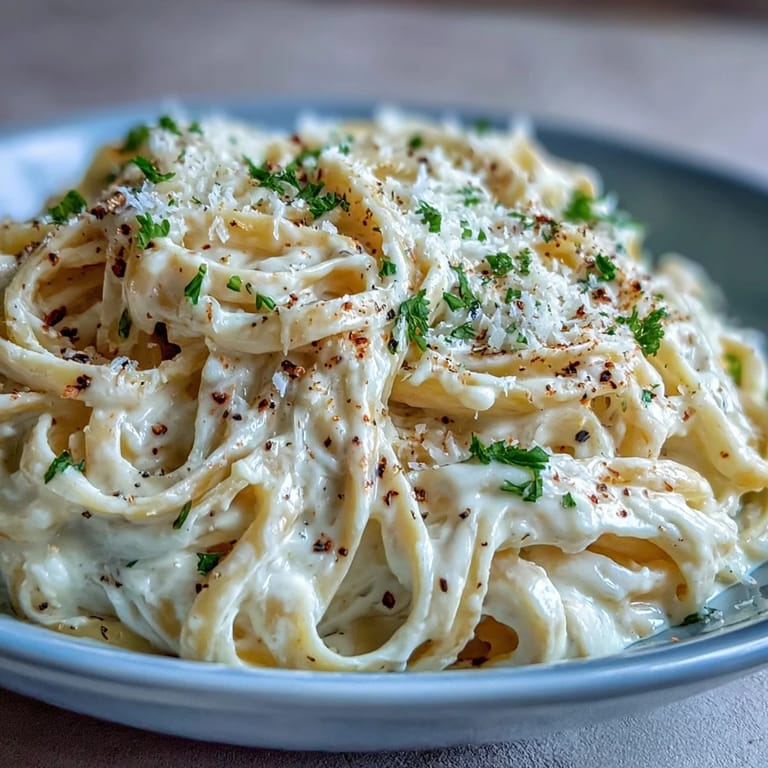
Save I discovered this recipe on a Tuesday afternoon when my fridge held nothing but a lonely head of cauliflower and a half-empty carton of milk. Rather than order takeout, I wondered what would happen if I treated cauliflower like the creamy base of a proper Alfredo. The result was so silky and satisfying that I've made it dozens of times since, each batch tasting like I've somehow outsmarted the guilt that usually comes with comfort food.
My neighbor smelled this cooking one evening and literally knocked on my door asking what I was making. When I told her it was cauliflower-based, she didn't believe me until I plated her a portion. She went home and made it three times that week, and now it's become her go-to when she wants something impressive but unpretentious.
Ingredients
- Cauliflower florets (1 medium head, about 700 g): This is your magic ingredient, becoming impossibly creamy when blended and holding the sauce together without a drop of heavy cream.
- Garlic (3 cloves): Cooking it alongside the cauliflower softens its bite and makes it almost sweet, adding depth without overwhelming.
- Yellow onion (1 small, chopped): It dissolves into the sauce and adds a subtle sweetness that balances the savory notes beautifully.
- Unsalted butter (2 tablespoons): This keeps the sauce from tasting thin or diet-like, adding just enough richness to feel indulgent.
- Parmesan cheese (1/3 cup grated, plus extra for serving): Use the good stuff here—it's not enough to skimp, and the umami makes all the difference.
- Milk (1/2 cup, dairy or plant-based): This adjusts the sauce consistency and prevents it from being too thick or gluey.
- Fettuccine or linguine (350 g): The wider noodles catch and hold the sauce better than thin spaghetti would.
- Salt, black pepper, nutmeg: The nutmeg might seem optional, but one tiny pinch adds a warmth that makes people ask for your secret.
Tired of Takeout? 🥡
Get 10 meals you can make faster than delivery arrives. Seriously.
One email. No spam. Unsubscribe anytime.
Instructions
- Boil the vegetables until tender:
- Fill a large pot with salted water and bring it to a rolling boil, then add the cauliflower, garlic, and onion. The water should smell almost sweet after about 8 to 10 minutes when the florets break apart easily with a wooden spoon.
- Transfer to the blender:
- Scoop the vegetables out with a slotted spoon, leaving the cooking water behind. You'll use this water later to thin the sauce, so don't toss it.
- Blend into silk:
- Add the butter, Parmesan, milk, salt, pepper, and nutmeg to the blender and blend on high until completely smooth. If it looks too thick, splash in a little of that reserved cooking water until it flows like a proper sauce.
- Cook the pasta:
- In the same pot of water, cook your pasta to al dente according to the package directions, then drain it while reserving at least 1 cup of the starchy water. This water is liquid gold for adjusting your sauce.
- Bring it together:
- Return the drained pasta to the pot, pour the cauliflower sauce over it, and toss gently but thoroughly, adding pasta water a splash at a time until it coats every strand. Taste it and adjust salt and pepper if needed.
- Finish and serve:
- Divide into bowls while it's hot, scatter fresh parsley and extra Parmesan on top, and serve immediately while the sauce is still silky.
 Save
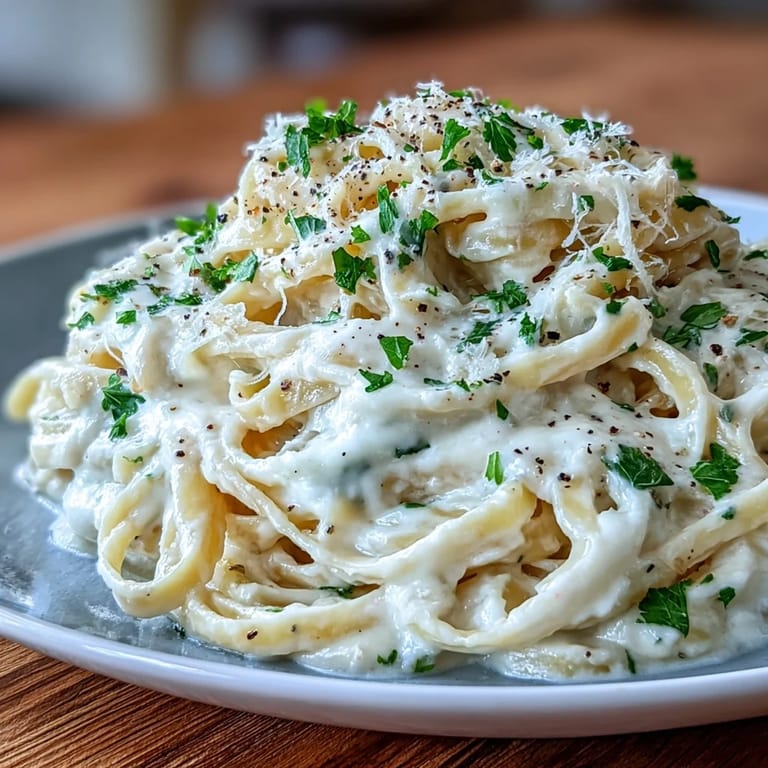
Save My daughter, who declared she'd never eat cauliflower, finished an entire plate and asked for seconds. Watching her realize what she'd actually enjoyed eating was one of those quiet kitchen victories that makes cooking feel less like a chore and more like a small magic trick.
The Secret Behind the Creaminess
Cauliflower contains natural starches and fibers that, when blended, create an emulsion remarkably similar to cream. The butter and Parmesan add fat and flavor, while the milk acts as a binder, resulting in a sauce that's genuinely creamy without tasting like it's compromising. Once you understand this, you'll stop thinking of this as a "healthy substitute" and start seeing it as its own complete dish.
Variations That Work
I've added roasted mushrooms, steamed broccoli, crispy sage, and even a pinch of lemon zest to this base sauce, and every version tastes intentional. The cauliflower sauce is so neutral and accommodating that it becomes a canvas rather than a constraint, which is why this recipe has become my go-to when I want to feed different people different desires at the same table.
Making It Your Own
For a vegan version, swap the butter for plant-based butter, use a non-dairy milk, and replace the Parmesan with nutritional yeast mixed with a touch of salt—the sauce tastes nearly identical and no one will feel left out. If you prefer a lighter texture, thin it with extra pasta water or even a splash of vegetable broth, and if you like it richer, add a touch more butter or cheese. This dish is forgiving and friendly, which is probably why it's become a weeknight staple in so many kitchens.
- Whole wheat or gluten-free pasta works beautifully if you need to adjust for dietary preferences.
- Make extra sauce and refrigerate it for up to three days—it's wonderful stirred into soups or tossed with roasted vegetables.
- If your blender struggles, use a food processor instead, though you may need an extra splash of milk to reach the right consistency.
 Save
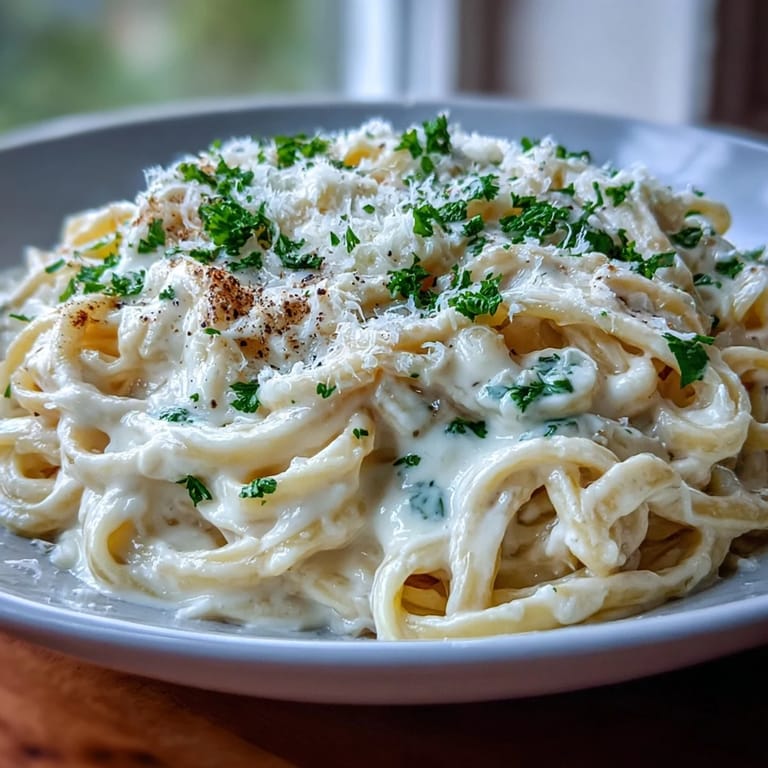
Save This recipe changed how I think about comfort food, proving that the lightest meals can feel the most indulgent. Make it tonight and taste the difference yourself.
Questions & Answers
- → What makes this sauce creamy without using cream?
The natural starches in cauliflower create a velvety texture when blended. Combined with butter, Parmesan, and a splash of milk, the cauliflower transforms into an incredibly smooth sauce that rivals traditional cream-based versions.
- → Can I make this dairy-free?
Absolutely. Substitute the butter with plant-based butter, use unsweetened almond or oat milk, and replace Parmesan with nutritional yeast or vegan Parmesan. The sauce remains creamy and satisfying.
- → What pasta shapes work best?
Fettuccine and linguine are ideal because their flat surfaces hold the sauce beautifully. However, penne, rigatoni, or even spaghetti work well. Just ensure you cook the pasta to al dente for the best texture contrast.
- → How long does the sauce keep?
The sauce stores well in an airtight container in the refrigerator for up to 3 days. Reheat gently with a splash of water or milk to restore creaminess. The pasta is best served fresh, though leftovers can be enjoyed the next day.
- → Can I add vegetables to this dish?
Yes, sautéed mushrooms, steamed broccoli, or roasted bell peppers make excellent additions. Add them to the pasta before tossing with sauce, or serve them on top for extra color and nutrition.