 Save
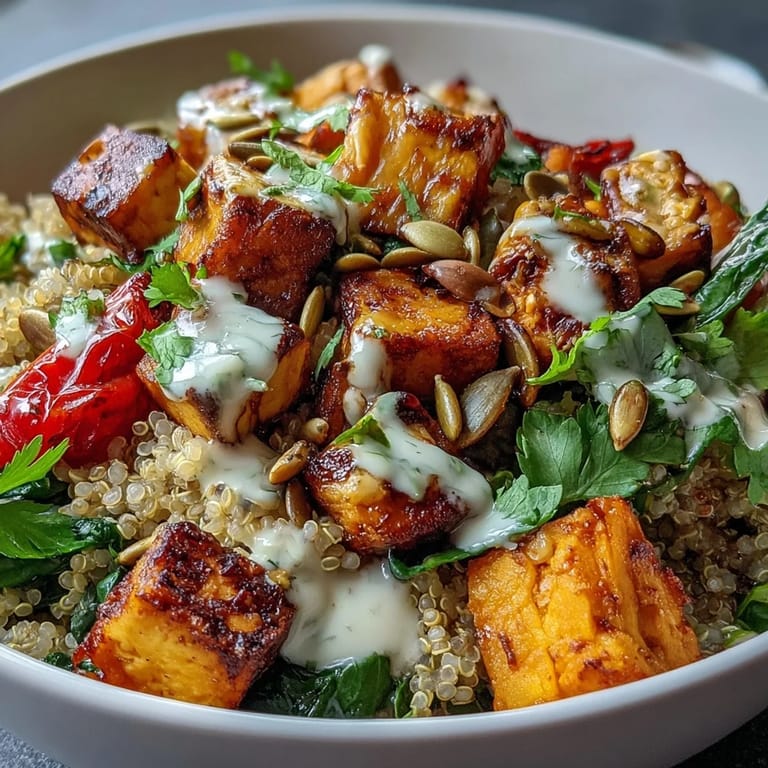
Save My roommate came home one Tuesday evening with a bag of groceries and a tired expression, insisting we needed something quick but not sad for dinner. She dumped quinoa, roasted vegetables, and a rotisserie chicken on the counter, and within minutes we'd assembled these bowls that felt like actual meals instead of leftovers thrown together. That night taught me that the best recipes aren't about following rules but about working with what you have and making it taste intentional. The grain bowl became our answer to every "I don't know what to eat" moment after that.
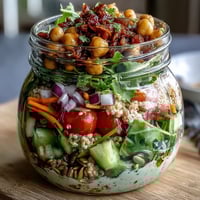
I made these for a potluck where everyone had different dietary needs, and instead of cooking three separate dishes, I set up a grain bowl bar. Watching people build their own combinations, mixing and matching proteins, adding handfuls of seeds, choosing their dressing—it turned out to be the most interactive, least stressful thing I'd brought. Someone asked for the recipe, and I realized there wasn't really one to give, just permission to be creative.
Ingredients
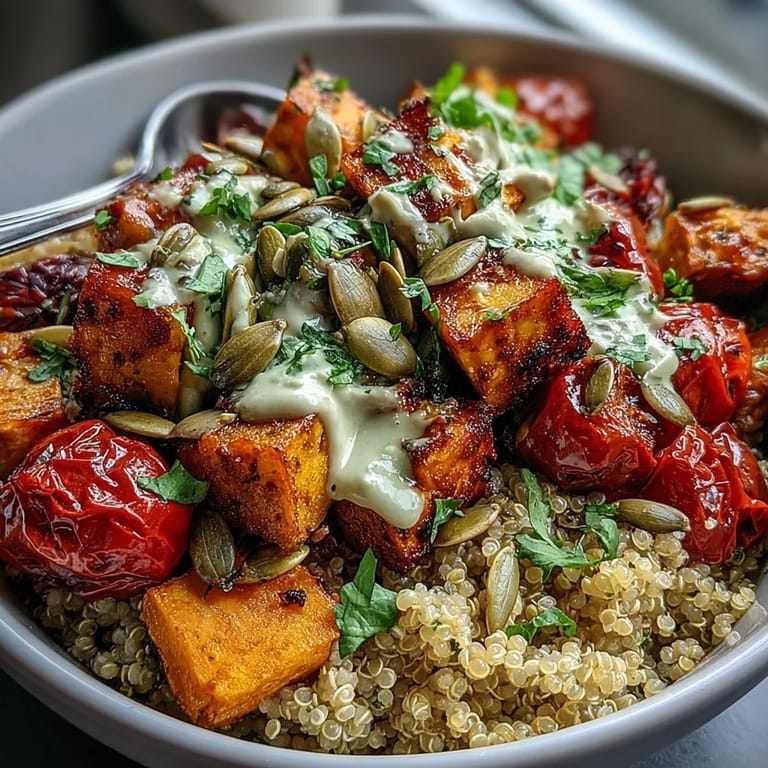
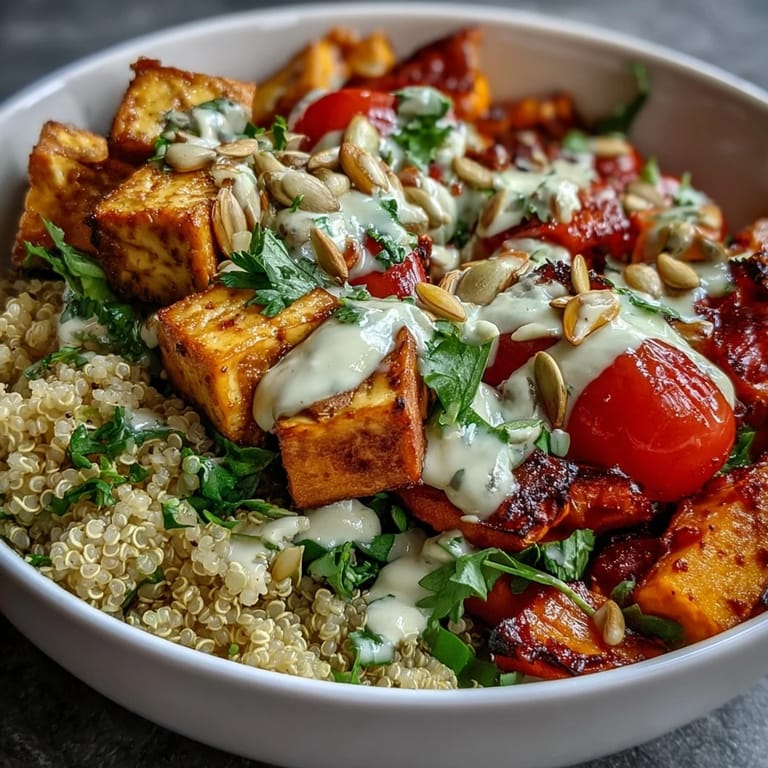
- Grains (choose 1–2): Brown rice is forgiving and earthy, quinoa adds protein and a light texture, farro has chew and nutty depth, and couscous cooks in minutes—pick based on your mood or what's already in your pantry.
- Proteins (choose 1–2): Chicken is reliable, tofu rewards good seasoning, chickpeas make it vegetarian without feeling incomplete, and shrimp brings brightness that cuts through rich dressings.
- Vegetables (choose 3–4, raw or roasted): Cherry tomatoes bring juice and sweetness, cucumber adds refreshing crunch, roasted sweet potato brings warmth and natural sugars, broccoli gives substance and earthiness, shredded carrots work raw for speed or roasted for caramelization, and avocado feels luxurious without much effort.
- Toppings & Extras: Feta adds salty funk if you're not vegan, toasted seeds or nuts provide textural contrast and healthy fats, fresh herbs brighten everything in seconds, and sesame seeds tie flavors together.
- Dressings (choose 1): Lemon-tahini is creamy and grounding, balsamic vinaigrette brings acidity and depth, soy-ginger offers umami and heat, and green goddess makes everything feel fresh and alive.
Tired of Takeout? 🥡
Get 10 meals you can make faster than delivery arrives. Seriously.
One email. No spam. Unsubscribe anytime.
Instructions
- Cook your grains with intention:
- Follow package instructions but taste as you go—you want tender, not mushy. Fluff with a fork while still warm so grains stay separate and light.
- Handle your protein thoughtfully:
- Use leftovers if you have them, or spend 15 minutes cooking fresh. Season generously; underseasoned protein makes the whole bowl feel flat.
- Prep vegetables strategically:
- Some shine raw for crunch, others improve roasted at 400°F for 20 minutes with olive oil and salt. Don't overthink it—cook what makes sense for your timeline.
- Build the bowl with balance:
- Start with grains as your base, then arrange protein and vegetables in sections so you taste everything in each bite rather than finishing the lettuce first.
- Crown it with care:
- Scatter toppings and herbs right before serving so seeds stay crisp and herbs stay bright. The final sprinkle matters more than you'd think.
- Dress at the last moment:
- Drizzle dressing just before eating so nothing gets soggy. If meal prepping, keep dressing separate and dress each portion as you eat it.
 Save
Save My partner declared these bowls "the food that finally made me feel like I was actually taking care of myself," which was the kindest thing anyone said about something I'd made in months. There's something about assembling a bowl from good components that feels like self-love instead of just dinner.
The Case for Meal Prep
The magic happens when you cook grains and proteins on the weekend and store them in separate containers. By Wednesday, when hunger arrives and decision-making feels impossible, you have four different bowls you can assemble in under three minutes without opening a takeout app. I learned this works because components stay fresher apart than mixed together, and the ritual of choosing and combining feels personal even when you're eating the same ingredients as Monday. It's the difference between feeling resourceful and feeling like you're eating the same thing twice.
Dressing as the Difference Maker
The same bowl tastes completely different dressed three ways, which is how I accidentally discovered I had strong opinions about tahini. A lemon-tahini dressing over chickpeas and roasted vegetables tastes earthy and substantial, while soy-ginger over shrimp and cucumber feels bright and urgent. Green goddess somehow makes everything taste like summer even in February, which explains why I keep cilantro alive year-round just in case. Choose your dressing first if you're stuck—it shapes everything else on the bowl.
Customization Without Overthinking
The freedom of this bowl is also its greatest challenge because suddenly you have infinite choices and zero guidance. Here's what I've learned: if you're vegetarian, don't skip the protein component—chickpeas or tofu aren't side dishes, they're as important as anything else. If you're low-carb, swap grains for roasted vegetables or greens and you've still got a complete meal. If you're in a hurry, accept that raw vegetables take three minutes and that's enough.
- Start with one grain, one protein, and three vegetables until you find combinations you love.
- Roast sweet potatoes and broccoli on Sunday so weekday assembly takes minutes instead of planning.
- Keep tahini, good olive oil, and lemon on hand because those three ingredients solve most dressing emergencies.
 Save
Save These bowls taught me that good cooking isn't about complexity—it's about choosing quality components and respecting them enough to let them shine individually. Make one tonight and build on it until it's exactly what you needed.
Questions & Answers
- → What grains work best for these bowls?
Brown rice, quinoa, farro, and couscous all provide excellent bases. Choose grains based on texture preference—quinoa offers lightness, while farro delivers hearty chewiness. For low-carb options, substitute with cauliflower rice or leafy greens.
- → How do I keep components fresh for meal prep?
Store grains, proteins, and vegetables in separate airtight containers. Keep delicate ingredients like avocado fresh with a squeeze of lemon juice. Add dressings just before serving to maintain crispness and prevent sogginess.
- → What protein options work well?
Chicken breast, baked tofu, chickpeas, and shrimp all pair beautifully. Cook proteins in batches with simple seasoning, or repurpose leftover roasted meats and beans for quicker assembly throughout the week.
- → Can I make these bowls ahead?
Absolutely. Prepare grains and roast vegetables on Sunday—both keep well for 4-5 days. Cube proteins and chop raw vegetables as needed. This system makes weekday lunches effortless and customizable.
- → Which dressings complement the flavors?
Lemon-tahini adds creaminess, balsamic vinaigrette offers brightness, soy-ginger brings umami depth, and green goddess provides herbaceous freshness. Drizzle sparingly to let individual ingredients shine.
- → How do I add extra crunch?
Toast pumpkin seeds, almonds, or sunflower seeds until golden. Sesame seeds, chopped nuts, or even crispy chickpeas provide satisfying texture contrast against soft grains and tender vegetables.