 Save
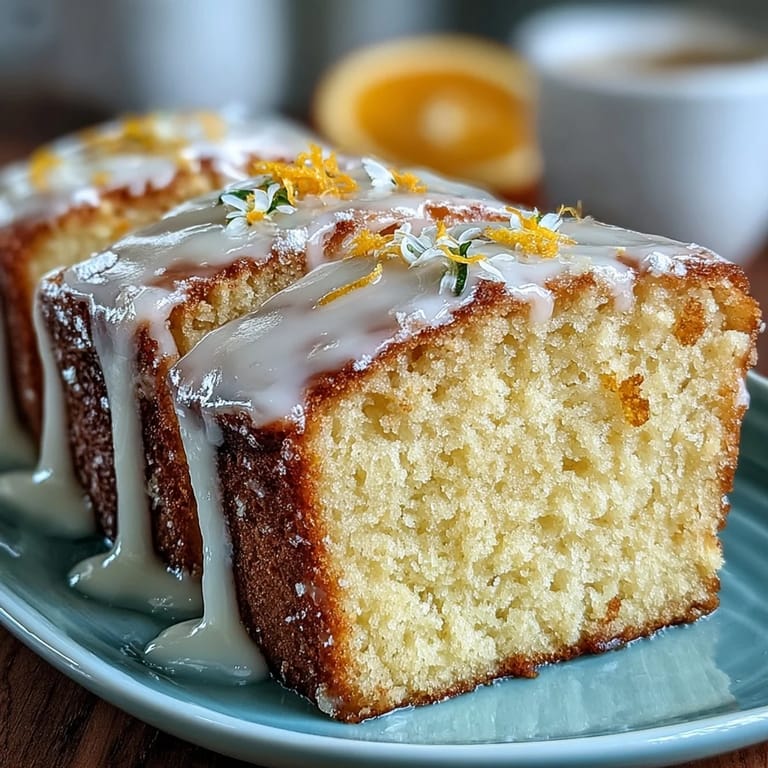
Save My mum has this uncanny ability to make everything look effortless, which is probably why I spent years thinking lemon drizzle cake was complicated. Then one rainy Sunday, she let me watch from the kitchen stool while she mixed, folded, and poked—and suddenly it clicked. The smell of butter and lemon zest filled the whole house, and by the time that warm glaze soaked into the cake, I understood why she made it every spring. Now it's my turn to create that same magic, especially on Mother's Day when a homemade cake says so much more than store-bought ever could.
I'll never forget making this for my neighbour on Mother's Day a few years back, watching her face light up when she saw the flowers arranged on top. She'd mentioned offhand that she loved lemon cakes but never had time to bake, so I decided to surprise her. She served it with tea that afternoon, and somehow a simple cake became the reason we became proper friends. That's when I realised this recipe wasn't just about ingredients and timing—it was about showing someone they were worth the effort.
Ingredients
- 225 g unsalted butter, softened: Room-temperature butter creams properly with sugar, creating that pale, fluffy base that makes the cake tender rather than dense.
- 225 g caster sugar: Caster sugar dissolves quickly and creates a fine crumb; don't swap it for granulated unless you enjoy a grittier texture.
- 4 large eggs: Room-temperature eggs incorporate smoothly and add richness; cold eggs can cause the batter to curdle and split.
- 225 g self-raising flour: Self-raising flour already has the leavening built in, which is why you don't need to fuss with separate baking powder and soda.
- Zest of 2 unwaxed lemons: Unwaxed lemons are crucial here because you're eating the skin—those little flecks of zest give the cake brightness and make it feel genuinely lemony.
- 2 tbsp whole milk: Milk loosens the batter slightly, helping it cook evenly without being too thick.
- Pinch of salt: Just a tiny amount lifts the lemon flavour and balances the sweetness beautifully.
- Juice of 2 lemons: Fresh-squeezed is worth the effort; bottled juice tastes flat and defeats the whole purpose.
- 125 g icing sugar: For the drizzle, it dissolves into the lemon juice and creates that signature soak-in texture.
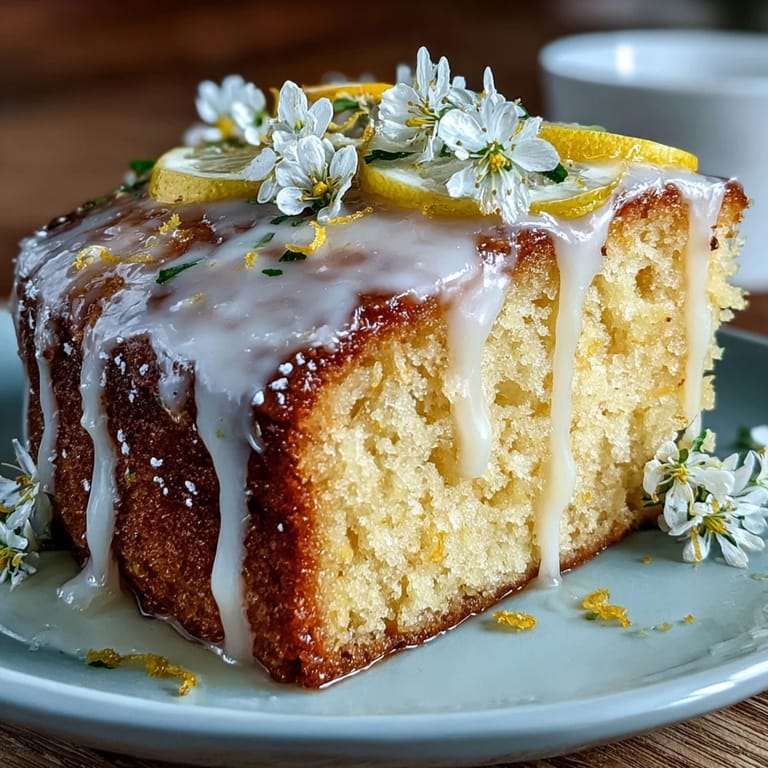
- Assorted edible flowers: Violas, pansies, and nasturtiums add real elegance; just make sure they're labelled safe for eating and haven't been sprayed with anything.
Tired of Takeout? 🥡
Get 10 meals you can make faster than delivery arrives. Seriously.
One email. No spam. Unsubscribe anytime.
Instructions
- Prepare your tin:
- Preheat the oven to 180°C (160°C fan) and grease your loaf tin generously before lining it with parchment paper. This two-step approach—grease then line—stops the paper from sliding around while you're pouring batter.
- Cream the butter and sugar:
- Beat them together for a solid 3-4 minutes until the mixture is pale, fluffy, and noticeably lighter than when you started. You're incorporating tiny air bubbles that help the cake rise, so don't rush this part.
- Add eggs one at a time:
- Drop each egg in, mix well, then add the next; this prevents the batter from looking curdled and broken. If it does look split, add a tablespoon of flour and it'll come together again.
- Fold in the dry ingredients gently:
- Add the flour, lemon zest, milk, and salt together, using a spatula to fold rather than stir—you want to keep those air bubbles intact. Overmixing develops gluten and makes the cake tough, which is the opposite of what we're after.
- Bake until golden:
- Pour into the tin, level the top, and bake for 40–45 minutes until the top is golden and a skewer comes out clean. The cake will smell absolutely incredible when it's ready.
- Make the drizzle while it bakes:
- Stir lemon juice and icing sugar together until smooth and pourable, letting it sit while the cake finishes baking.
- Poke and pour:
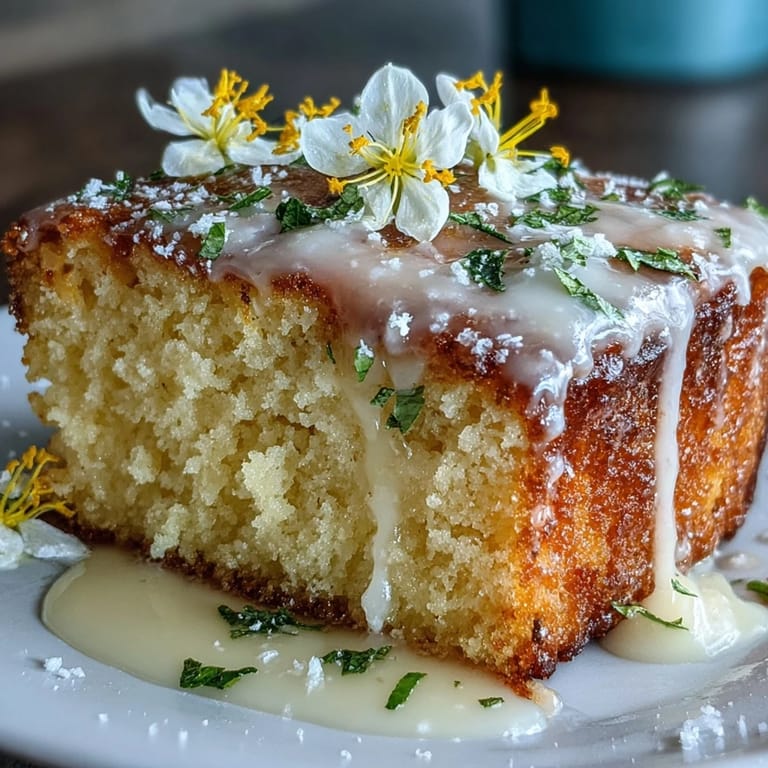
- While the cake is still warm, use a skewer to poke holes all over the top, then slowly pour the drizzle over so it soaks into the warm cake. This is where the magic happens—the cake drinks up that tangy glaze and becomes moist all the way through.
- Cool completely before decorating:
- Leave it in the tin until it's cool enough to handle, then turn it out onto a serving platter. Once completely cooled, dust lightly with extra icing sugar and arrange those edible flowers just before serving so they stay fresh and vibrant.
 Save
Save What strikes me most about making this cake is how it slows you down. There's no rushing the creaming stage or careless folding; you have to pay attention and do it properly. That small act of care, repeated step after step, somehow transfers into the finished cake—people taste it and feel like they were worth the effort, because they were.
Timing and Temperature Tips
Room temperature is your secret weapon here. Eggs, butter, and milk all mix more smoothly and evenly when they're not cold, which means fewer lumps and a better texture. Pull everything out of the fridge about 30 minutes before you start, and you'll notice an instant difference in how the batter comes together. The oven temperature matters just as much—if it's not fully preheated, the cake will bake unevenly and you'll end up with a sunken middle.
The Art of the Drizzle
The drizzle is what separates a good lemon cake from an unforgettable one, so don't treat it as an afterthought. The ratio of lemon juice to icing sugar should be thick enough to coat a spoon but still pourable; if it's too stiff, add a splash more juice. Pour it slowly and let gravity do the work—you're not flooding the cake, you're letting it drink, which takes patience and restraint. The best moment is when the cake is still warm but not steaming hot; the glaze will sink in properly and set into a lovely tangy crust on top.
Edible Flowers and Final Flourishes
Edible flowers are optional but they genuinely elevate this cake from weekday treat to celebration-worthy centrepiece. The key is sourcing them properly—never use flowers from a florist unless they're specifically marked as edible, since they're often treated with pesticides and preservatives. Local farmers markets, specialty food shops, and some garden centres stock genuinely edible varieties. Add them just before serving so they stay fresh and pretty; if you add them hours ahead, they'll start to wilt and fade.
- Violas and pansies are hardy and taste faintly floral without being overwhelming.
- Nasturtiums have a surprising peppery note that works beautifully with lemon.
- Rose petals should be pulled from pesticide-free roses and scattered sparingly for maximum elegance.
 Save
Save Every time someone tastes this cake, they ask for the recipe, and I always say the same thing: it's not about being clever, it's about being kind to the people you're feeding. This Mother's Day, that's exactly what you're doing.
Questions & Answers
- → What types of edible flowers work best for decoration?
Edible flowers like violas, pansies, nasturtiums, and rose petals add a delicate, colorful touch. Ensure they are pesticide-free and safe for consumption.
- → Can this lemon drizzle be made more intense?
Yes, adding extra lemon zest to the drizzle enhances its citrus flavor and provides a zestier finish.
- → How do I keep the cake moist during baking?
Avoid overmixing the batter and bake at the correct temperature. The lemon drizzle soaked into the warm cake also helps retain moisture.
- → Is there a gluten-free option for this cake?
Substitute self-raising flour with a gluten-free flour blend and add 1 tsp of baking powder for proper rising.
- → What serving suggestions complement this lemon drizzle cake?
Serve with whipped cream or a dollop of crème fraîche to add richness and balance the tangy lemon flavors.
- → How should I store the cake after baking?
Store in an airtight container at room temperature for up to two days, or refrigerate to keep it fresher longer.